Shacket vs. Overshirt vs. Flannel: Untangling Fall's Layering Pieces
November 24, 2026

Fall mornings start cool, afternoons warm up, and evenings turn crisp again. That is when the flannel, the overshirt, and the shacket earn their place in the closet.
The names often get swapped, even on store tags. In this blog, we'll explain what each piece really is, how to tell them apart, and how to wear all three this season.
Shacket vs. Overshirt vs. Flannel
The quickest way to sort them out is this: two of these names describe how heavy a piece is, and one describes what it is made of.
- Flannel is a soft, brushed fabric. A flannel shirt is a regular shirt made from it.
- An overshirt is a thicker, roomier shirt made to go over something, usually a tee.
- A shacket, short for shirt jacket, is a jacket cut like a shirt. It is the heaviest of the three.
That means a heavy flannel can also be an overshirt. The real question is how much warmth your day needs.
What Is a Flannel?

Flannel is named for its fabric, not its pattern. The cotton or wool is brushed after weaving, which lifts tiny fibers on the surface. Those fibers hold warm air and give flannel its soft, slightly fuzzy feel.
Plaid is a pattern, so not every plaid shirt is flannel, and plenty of flannels come in solid colors.
A flannel shirt fits like any button-up. It has a regular collar and cuffs and feels great right against your skin. Among the flannels we carry at STAG, the Teca Shirt from Portuguese Flannel, a label rooted in Portugal's shirt-making tradition, is a good example. Its soft brushed cotton and regular cut work on their own or under a heavier layer.
What Is an Overshirt?
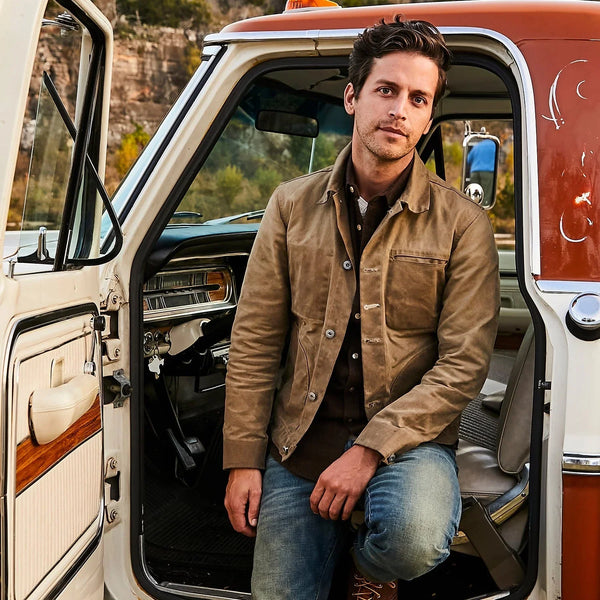
An overshirt looks like a shirt but is built to be worn over one. The fabric is heavier, the fit is a little roomier, and it usually stays untucked.
Most overshirts share a few details:
- Heavier fabric, such as twill, corduroy, or a wool blend.
- Patch pockets on the chest.
- A straight hem that looks right left out.
- No lining.
Wear it open over a heavyweight tee on a mild day, or button it up when the wind picks up. The Whiting Overshirt from London label Wax London shows the idea well, with a soft, heavyweight cotton blend, two chest pockets, and a straight hem.
What Is a Shacket?
A shacket is where the shirt starts acting like a jacket. It keeps the collar and buttons of a shirt, but its weight belongs to outerwear.
Signs You're Looking at a Shacket
These details usually give it away.
- Thick fabric, like dense wool, heavy canvas, or quilting.
- Pockets at the hip, where your hands naturally rest.
- A lining or light insulation.
- Enough room for a sweater underneath.
Together, they let a shacket work as your outer layer instead of your middle one.
Wool or Quilted: The Two Main Types of Shackets

Shackets come in a few different weights.
The Labura Shirt Jacket from Portuguese Flannel is cut from naturally weather-resistant virgin wool, with hip pockets and an inside chest pocket. It feels like a classic shirt with a coat's backbone.
For colder days, a quilted style adds real warmth. The Down-Filled Quilted Shirt Jacket from New York outerwear maker Schott NYC has a water-resistant shell and a snap front, and it's cut loose enough to wear over a flannel.
How to Tell Them Apart When the Tag Doesn't Help
Brands don't always agree on these names. The shacket vs. overshirt label, and the shirt jacket vs. overshirt one, often depends on who made the piece.
These quick checks work better than the tag:
- Pinch the fabric: Thin and soft suggests a flannel shirt. Thicker but still drapey suggests an overshirt. Dense, stiff, or padded suggests a shacket.
- Find the pockets: Chest pockets alone point to a shirt or overshirt. Hip pockets point to a jacket.
- Look inside: A lining or fill almost always means shacket.
- Picture what goes under it: A tee suits an overshirt. A sweater or hoodie calls for a shacket.
If a piece passes most of the shacket checks, treat it like a light jacket, whatever the tag says.
Which One Should You Wear This Fall?
Temperature makes this choice simple. Use this as a rough guide:
- Flannel shirt: When it’s in the mid-60s or warmer, or you’ll be indoors most of the day, a flannel on its own is all you need.
- Overshirt: Somewhere between 55 and 65 degrees, throw one on over a tee and leave it open. If the wind picks up, just button it.
- Shacket: Once the temperature drops into the 40s or low 50s, it’s shacket weather. Wear it over a sweater, or let it be your only jacket for the day.
In Austin, where fall stays mild, a shacket can be your main jacket well into winter. Farther north, it becomes the middle layer under a heavier coat.
If you're adding just one piece this season, start with an overshirt. In the overshirt vs. flannel choice, the overshirt covers more days, while the flannel shirt wins on softness against the skin.


A Simple Men's Layering Guide for Fall
These three pieces work best together. The one rule to remember is to go from thin to thick as you move outward.
Three Fall Layering Outfits to Try
Each one uses everyday basics plus a layer from this guide.
- Tee, overshirt, and dark jeans: the easy fall uniform for errands and weekends.
- Flannel shirt, shacket, and chinos: the flannel peeks out at the collar and cuffs for extra texture.
- Quarter-zip, shacket, and boots: a warmer stack for cold evenings.
Our quarter-zip sweater guide covers that middle layer in more detail. Keep one pattern per outfit, so a plaid overshirt pairs best with a solid tee and plain pants.
FAQs
Is a shacket the same as a shirt jacket?
Yes. Shacket is simply a short way of saying shirt jacket.
Can a flannel shirt be worn as an overshirt?
Yes, if the flannel is heavy and cut with a little room. Thinner flannels work better as a base layer.
Should an overshirt be tucked in?
Usually not. Most overshirts have a straight hem made to be worn out.
Should I size up in a shacket?
Start with your normal size. Size up only if you plan to wear thick sweaters underneath.
Layer Up for Fall With STAG
Fall layering gets easier once the names make sense. The shacket vs. overshirt difference comes down to weight, and flannel is simply the soft fabric that can show up in either. Choose by how heavy the piece feels and what the forecast says, not by the tag.
At STAG, we look for layers made from honest materials that get better each season, from brushed Portuguese cotton to dense virgin wool.
Explore STAG's overshirts and shirt jackets and find the layer your fall has been missing.
Related Products